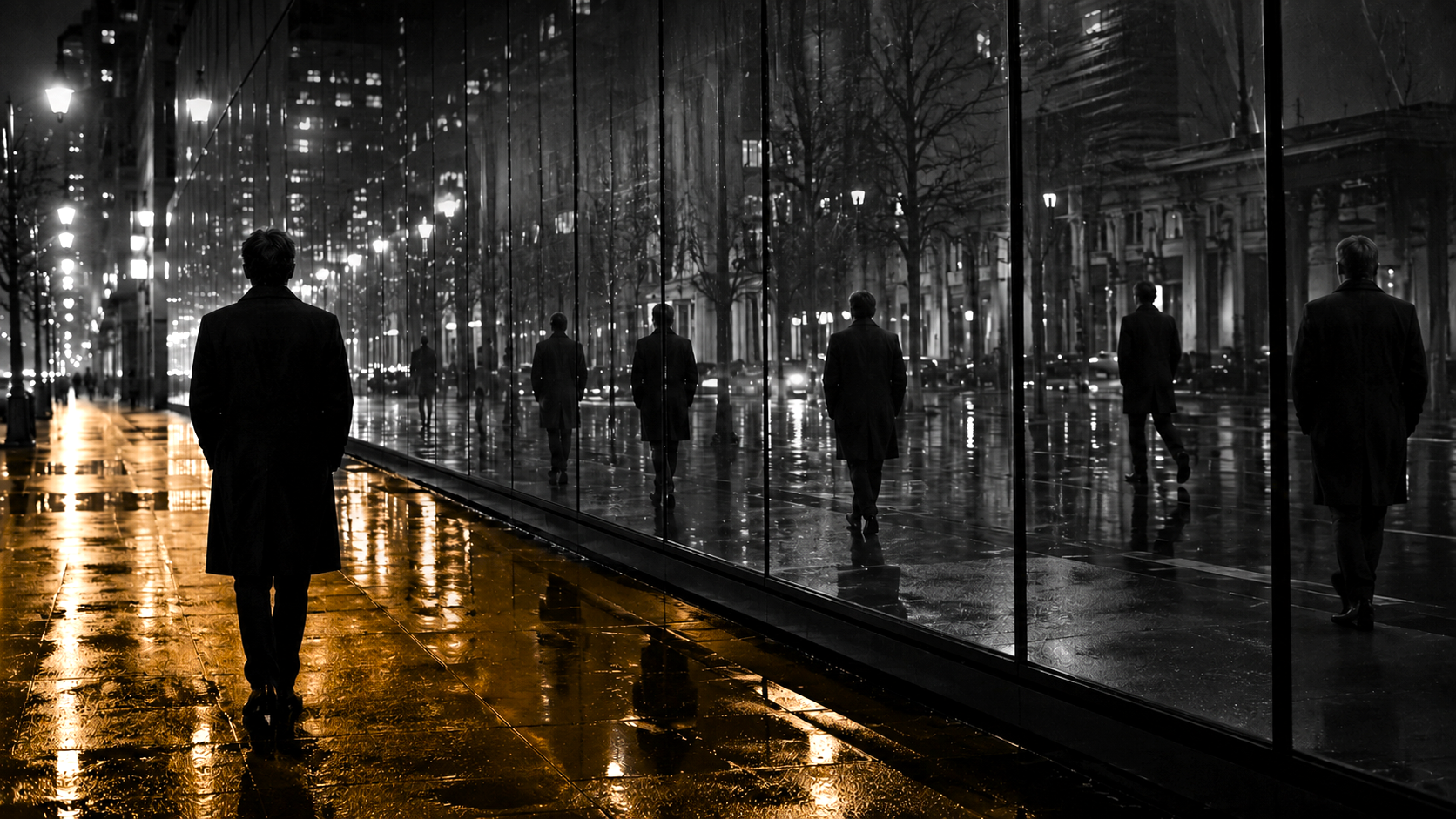
For decades, the bargain was visible. We pointed, clicked, typed and received. The machine waited at a distance, obedient but literal. Even when the system was complex, the interface maintained a useful fiction: the human chose; the tool responded.
That fiction is dissolving.
Generative systems do not merely retrieve a stored answer. They compose. Agents do not merely expose options. They can pursue a goal across time, deciding which steps appear relevant. The interface begins to behave less like a control panel and more like a collaborator with an emerging theory of who we are.
From command to anticipation
A truly adaptive interface will notice rhythms before requests. It will understand that the same person wants precision at work, silence while grieving and surprise when making art. It may organise information around intention rather than applications. Instead of opening five tools, we will describe a desired change in the world and watch software assemble the path.
This could feel like liberation from bureaucracy. It could also become bureaucracy that has learned to smile.
The most consequential interface is not the one we see. It is the one deciding what never reaches us.
Every act of anticipation contains a judgment. To reduce friction, a system must decide what counts as likely, safe or relevant. The more accurately it knows our habits, the more easily it can protect us from the unfamiliar. Convenience can become a soft enclosure: pleasant, personalised and difficult to notice from inside.
Reality as an editable layer
As cameras, glasses, audio models and spatial computing converge, the interface will no longer sit on a rectangle. It will occupy perception. Translation may appear over a stranger’s words. Memory may become searchable while a conversation is still unfolding. Directions, reputations and generated companions may inhabit the same visual field as trees and faces.
At that point design becomes something close to metaphysics. Which layer feels real? Who has the authority to annotate a street, a person or a historical site? Can a public world remain public when each citizen sees a privately optimised version?
The old internet asked us to visit a space made of information. The next one may bring information into every space, removing the threshold that once told us we had entered a system.
The right to opacity
Personalisation is often framed as care: the system understands you. But to be fully understood by an institution is not the same as being loved by a person. Human care leaves room for surprise, contradiction and refusal. It allows identity to remain unfinished.
Future interfaces should therefore be designed around more than consent screens. We need the right to be obscure to the model, to step outside prediction, to use a tool without turning every gesture into training data. We need modes that reveal why something was shown and what alternate paths were suppressed.
Most of all, we need the freedom to change without a profile dragging yesterday’s self into every new room.
Co-imagination
There is another possibility. An interface that can generate may widen imagination rather than automate it. It can show ten forms an idea might take, translate a private intuition into a visible prototype, or let people without technical fluency shape systems in their own language.
The line between tool and medium will blur. We will not only make things with software; we will think beside it. The quality of that partnership will depend less on whether the machine appears human and more on whether the human emerges with greater agency, discernment and range.
A dreaming interface should not dream on our behalf. It should create conditions in which we can dream beyond our habits—and still know which desires are ours.
The future of interaction is not a question of screens disappearing. It is a question of power disappearing into the screenless. Our task is to make that power legible before anticipation hardens into fate.